Research

How viral protein machines move genomes across biological barriers

My group investigates the molecular machines that enable positive-strand RNA viruses to move their genomes across biological barriers. We study viruses of medical and veterinary importance, with the aim of uncovering fundamental principles of viral entry, replication and assembly, and translating these insights into new antiviral strategies.

Throughout their replication cycle, viruses must repeatedly overcome physical barriers. During entry, viral surface proteins undergo precisely controlled conformational changes that allow the genome to cross cellular membranes and reach the appropriate intracellular environment. Once inside the cell, viruses remodel host membranes to create specialised replication compartments, raising a second fundamental problem: how newly synthesised RNA genomes are transported from these protected environments for translation and packaging.

We seek to understand the protein machinery that controls these movements. Our work therefore focuses on the structure, dynamics and mechanism of viral proteins, from receptor-activated entry proteins such as coronavirus spike to ATP-driven molecular motors involved in RNA replication and transport.

To address these questions, we combine cryo-electron microscopy, computational structural biology, biochemistry and molecular virology. By integrating structural snapshots with functional experiments, we aim to understand not simply what viral proteins look like, but how their architecture, assembly and conformational dynamics generate biological function.

Themes

Our current research centres on three interconnected themes

01

Molecular machines controlling virus entry

We investigate how viral attachment proteins recognise cellular receptors and how receptor engagement triggers structural rearrangements that enable entry. A particular interest is understanding how glycan and protein receptors regulate the conformational dynamics of coronavirus spike proteins.

02

Molecular machines controlling viral RNA replication and transport

We study the poorly understood AAA+ ATPases encoded by positive-strand RNA viruses. We aim to determine how these proteins assemble, interact with membranes and RNA, and use ATP hydrolysis to coordinate genome replication, transport and assembly.

03

Targeting viral molecular machines with antivirals

Because these proteins perform essential mechanical steps in the viral life cycle, they also present attractive therapeutic targets. We use mechanistic and structural insights to identify vulnerabilities that can be exploited by small molecules, peptides, antibodies and other biologics.

By understanding how viral protein machines move genomes into cells, through intracellular replication environments and towards assembly into new virus particles, we aim to uncover general principles of positive-strand RNA virus biology and provide a molecular foundation for the development of new antiviral therapies.

Research highlights

Selected papers

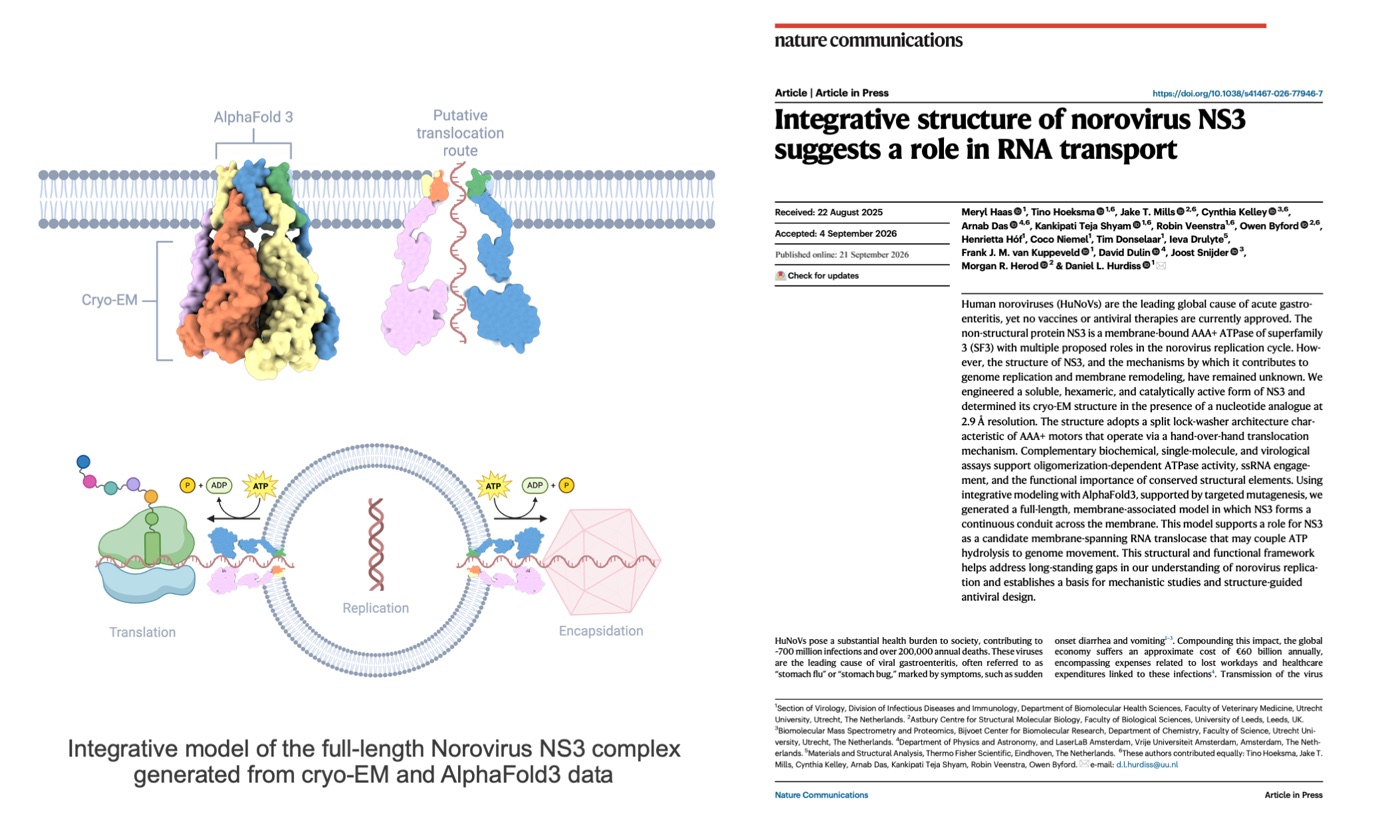
Integrative model of the full-length Norovirus NS3 complex generated from cryo-EM and AlphaFold3 data

Nature Communications · 2026

Integrative structure of norovirus NS3 suggests a role in RNA transport

Integrative model of the full-length Norovirus NS3 complex generated from cryo-EM and AlphaFold3 data

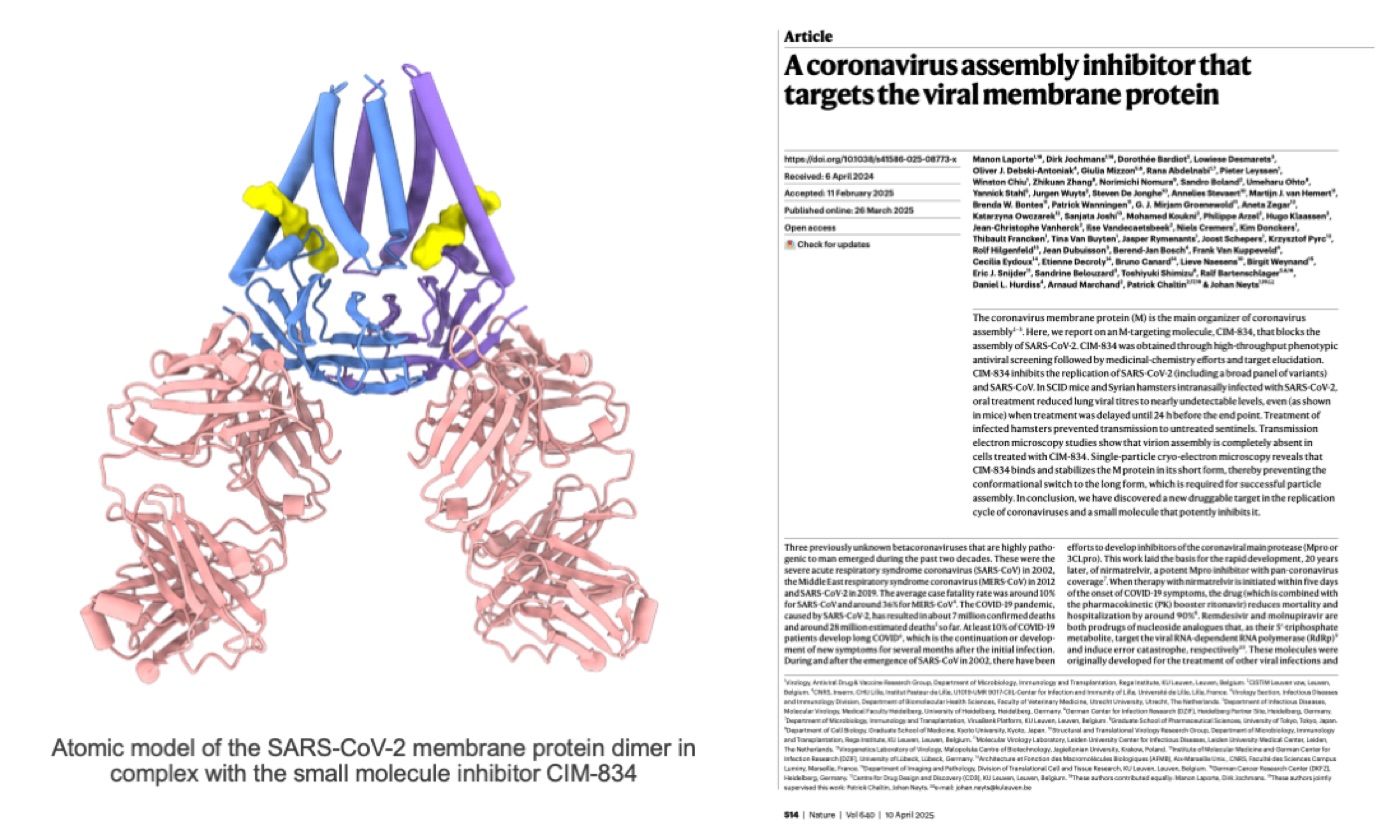
Atomic model of the SARS-CoV-2 membrane protein dimer in complex with the small molecule inhibitor CIM-834

Nature · 2025

A coronavirus assembly inhibitor that targets the viral membrane protein

Atomic model of the SARS-CoV-2 membrane protein dimer in complex with the small molecule inhibitor CIM-834

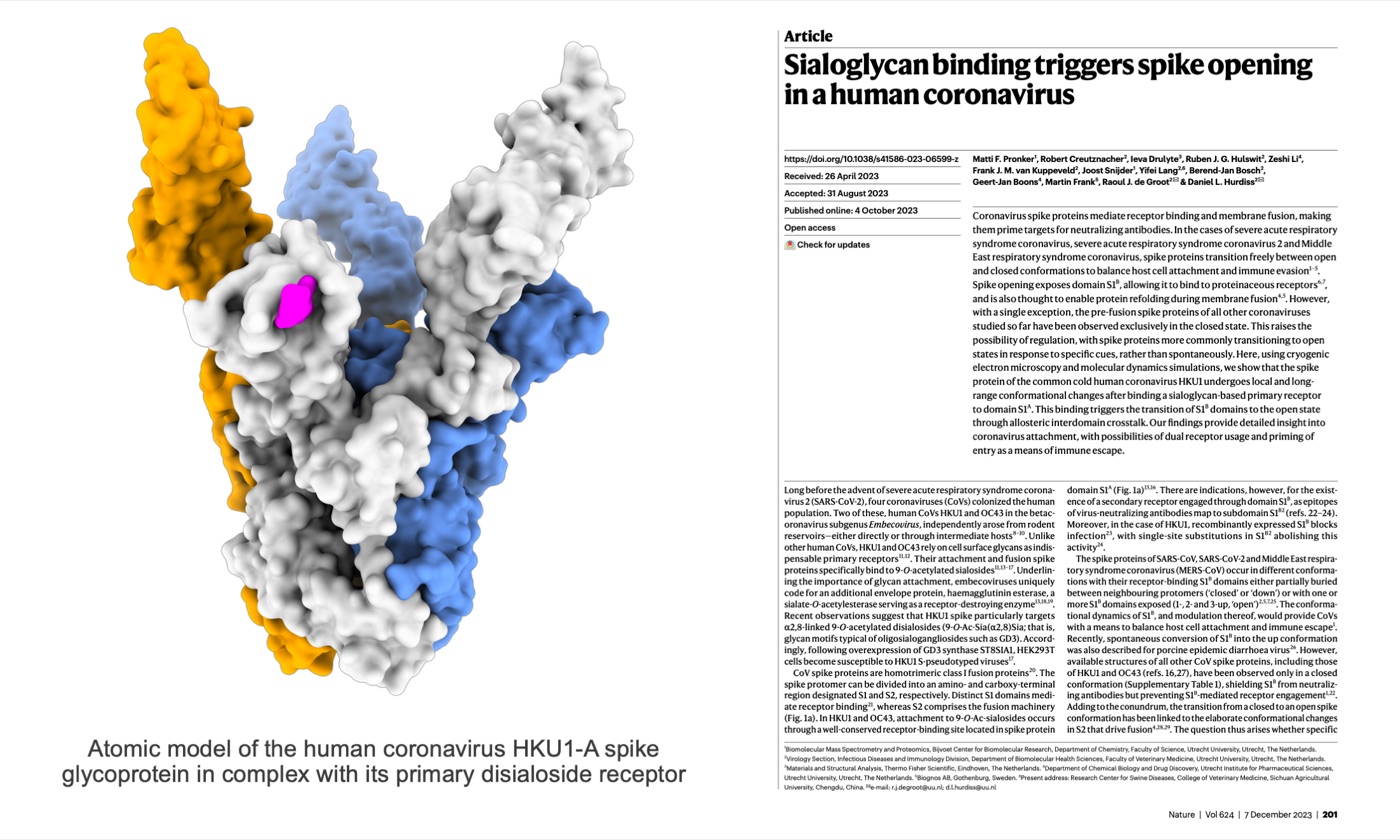
Atomic model of the human coronavirus HKU1-A spike glycoprotein in complex with its primary disialoside receptor

Nature · 2023

Sialoglycan binding triggers spike opening in a human coronavirus

Atomic model of the human coronavirus HKU1-A spike glycoprotein in complex with its primary disialoside receptor

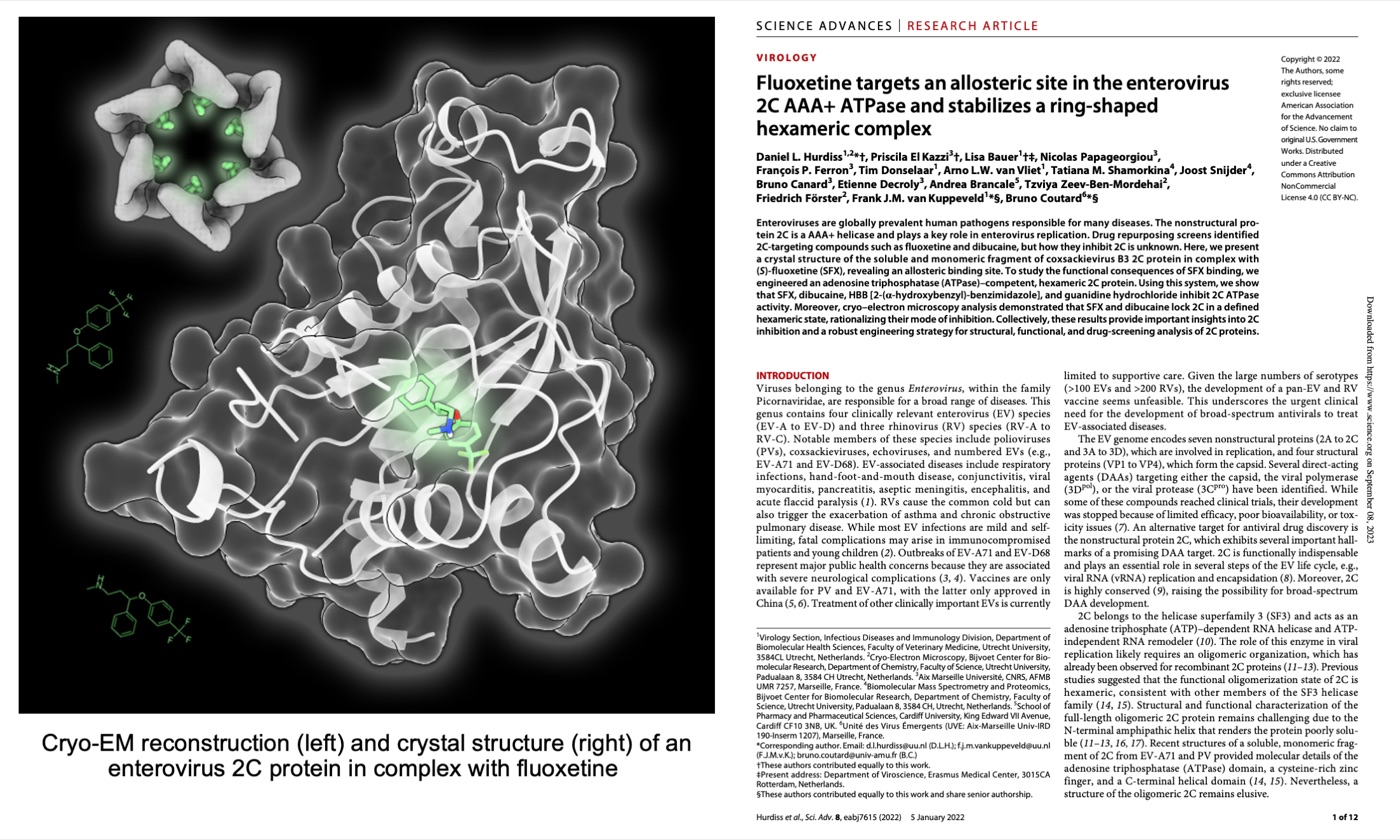
Cryo-EM reconstruction (left) and crystal structure (right) of an enterovirus 2C protein in complex with fluoxetine

Science advances · 2022

Fluoxetine targets an allosteric site in the enterovirus 2C AAA+ ATPase and stabilizes a ring-shaped hexameric complex

Cryo-EM reconstruction (left) and crystal structure (right) of an enterovirus 2C protein in complex with fluoxetine

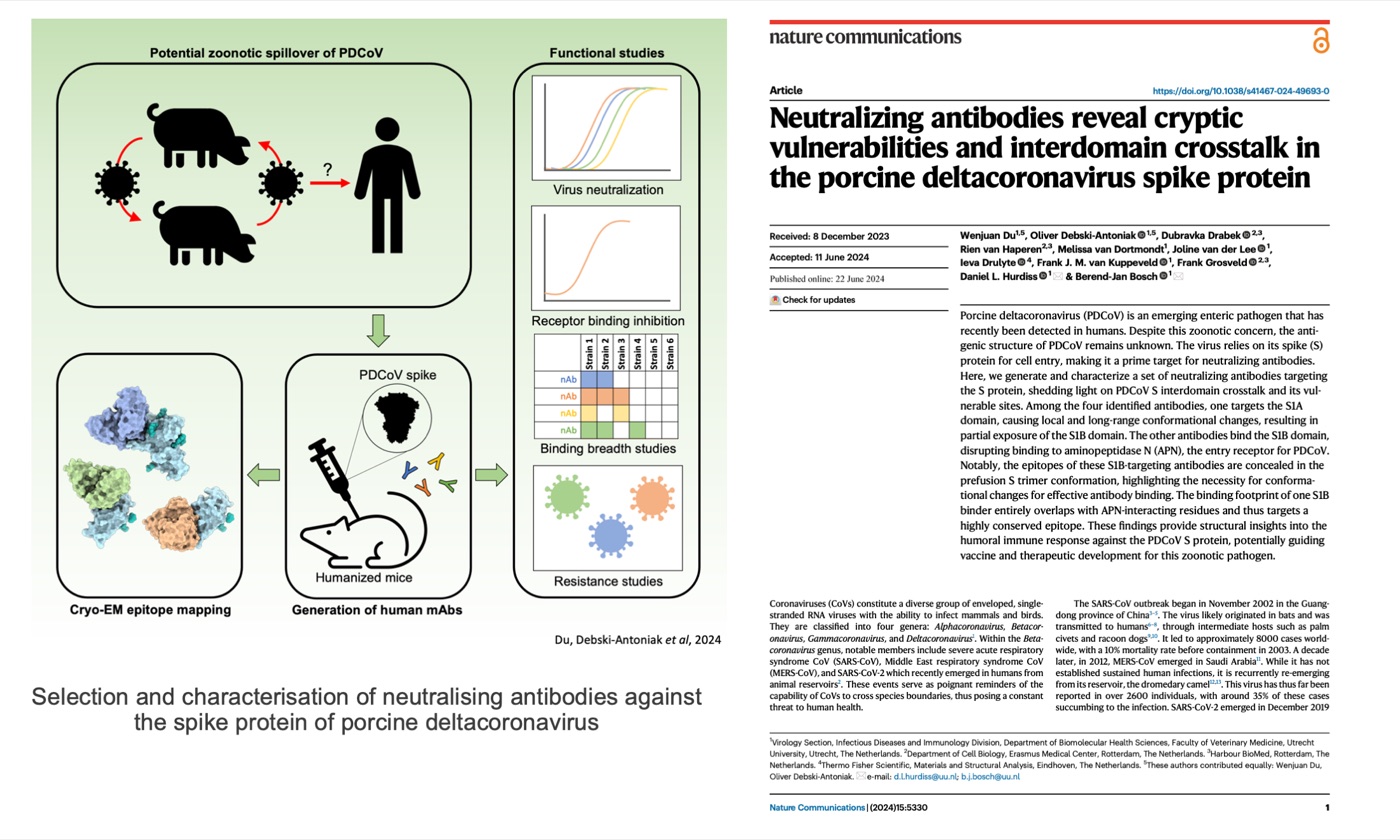
Selection and characterisation of neutralising antibodies against the spike protein of porcine deltacoronavirus

Nature Communications · 2024

Neutralizing antibodies reveal cryptic vulnerabilities and interdomain crosstalk in the porcine deltacoronavirus spike protein

Selection and characterisation of neutralising antibodies against the spike protein of porcine deltacoronavirus

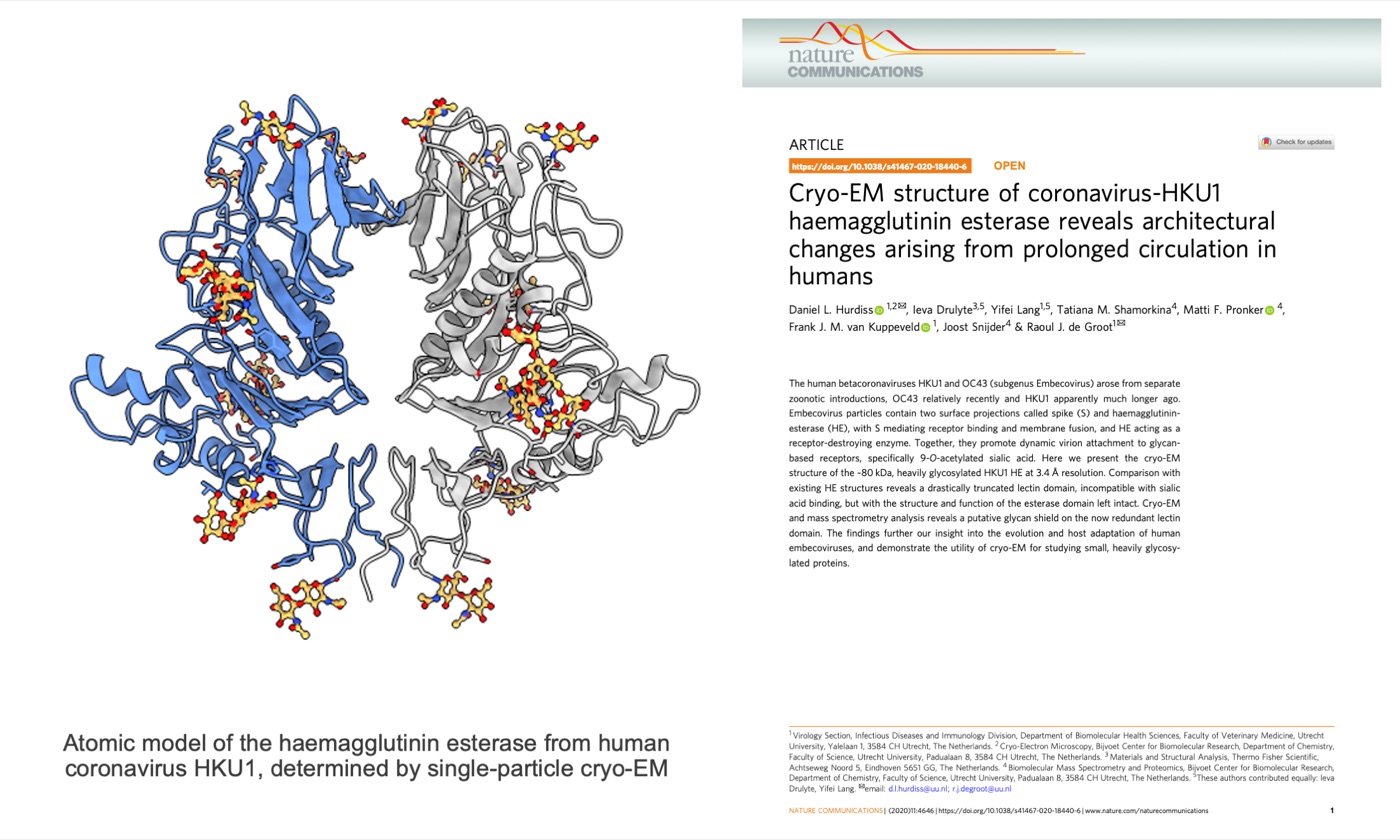
Atomic model of the haemagglutinin esterase from human coronavirus HKU1, determined by single-particle cryo-EM

Nature Communications · 2020

Cryo-EM structure of coronavirus-HKU1 haemagglutinin esterase reveals architectural changes arising from prolonged circulation in humans

Atomic model of the haemagglutinin esterase from human coronavirus HKU1, determined by single-particle cryo-EM

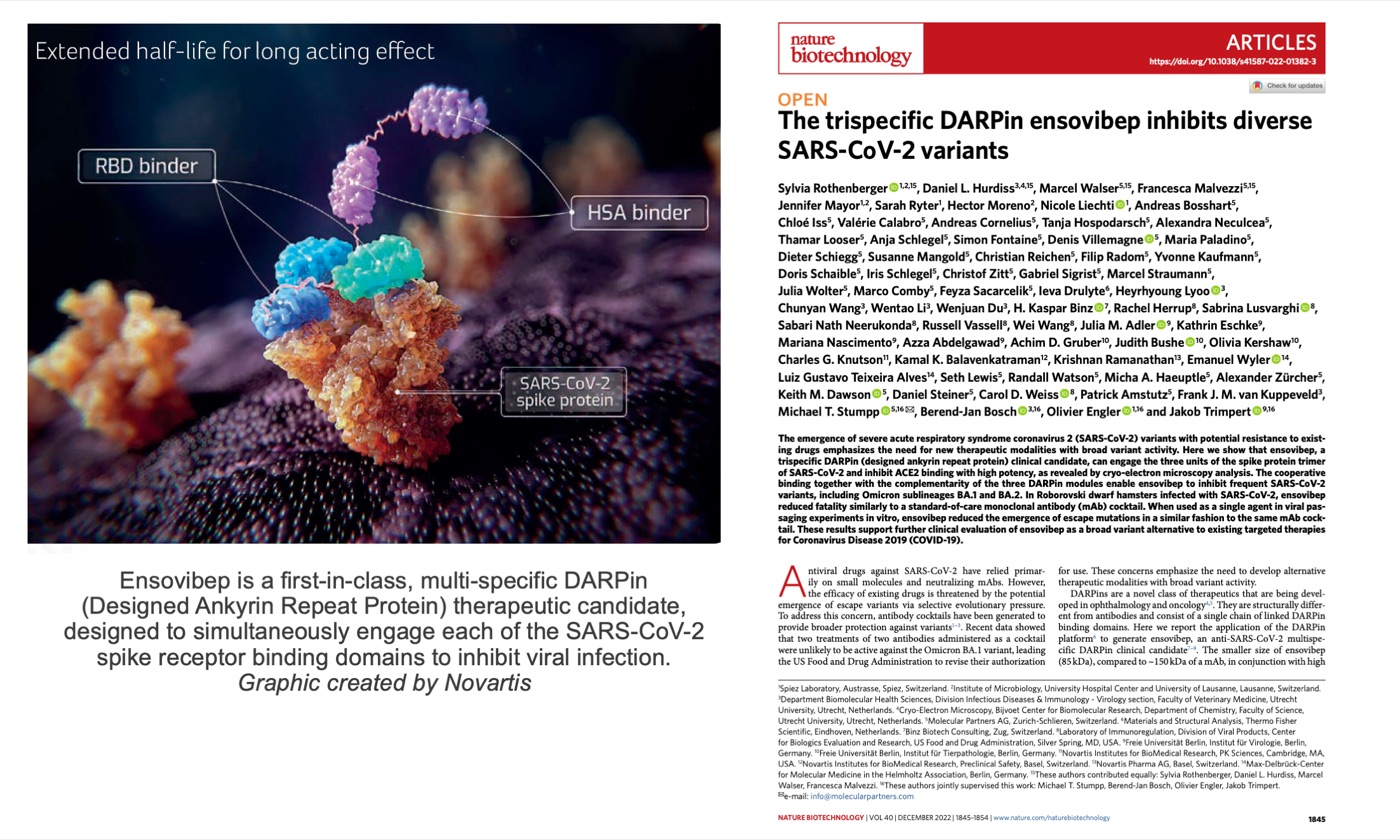
Ensovibep is a first-in-class, multi-specific DARPin (Designed Ankyrin Repeat Protein) therapeutic candidate, designed to simultaneously engage each of the SARS-CoV-2 spike receptor binding domains to inhibit viral infection. Graphic created by Novartis

Nature Biotechnology · 2022

The trispecific DARPin ensovibep inhibits diverse SARS-CoV-2 variants

Ensovibep is a first-in-class, multi-specific DARPin (Designed Ankyrin Repeat Protein) therapeutic candidate, designed to simultaneously engage each of the SARS-CoV-2 spike receptor binding domains to inhibit viral infection. Graphic created by Novartis

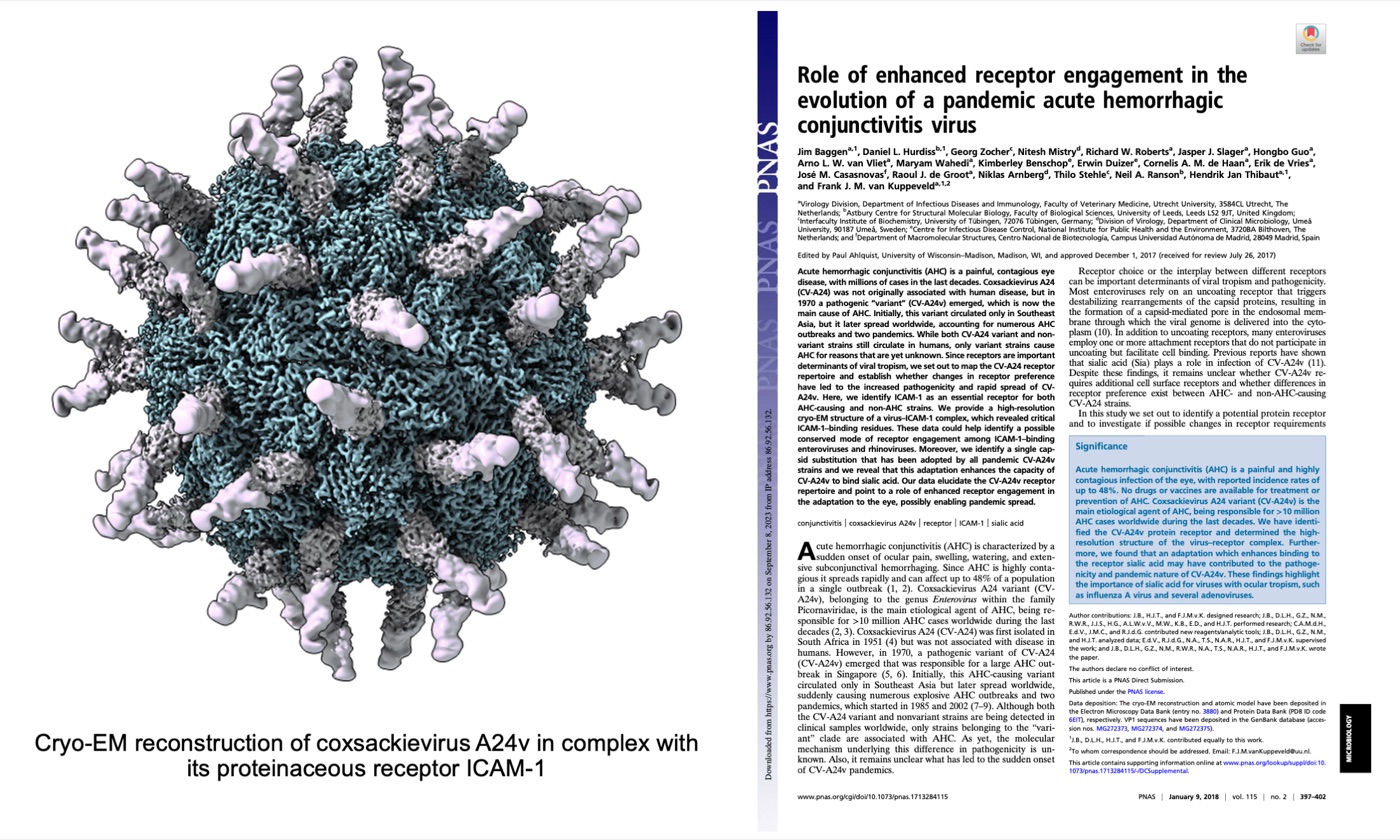
Cryo-EM reconstruction of coxsackievirus A24v in complex with its proteinaceous receptor ICAM-1

Proceedings of the National Academy of Sciences of the United States of America · 2018

Role of enhanced receptor engagement in the evolution of a pandemic acute hemorrhagic conjunctivitis virus

Cryo-EM reconstruction of coxsackievirus A24v in complex with its proteinaceous receptor ICAM-1

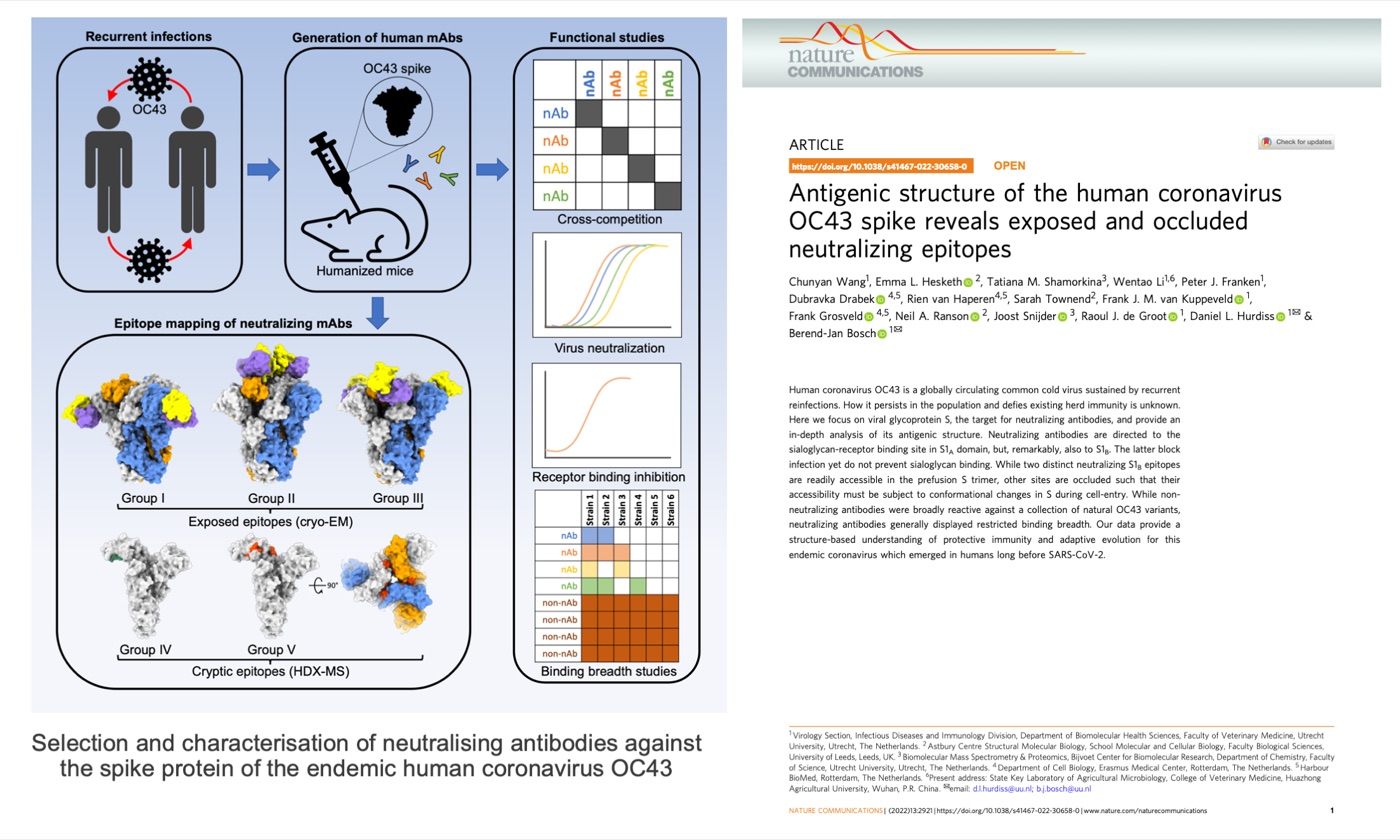
Selection and characterisation of neutralising antibodies against the spike protein of the endemic human coronavirus OC43

Nature Communications · 2022

Antigenic structure of the human coronavirus OC43 spike reveals exposed and occluded neutralizing epitopes

Selection and characterisation of neutralising antibodies against the spike protein of the endemic human coronavirus OC43

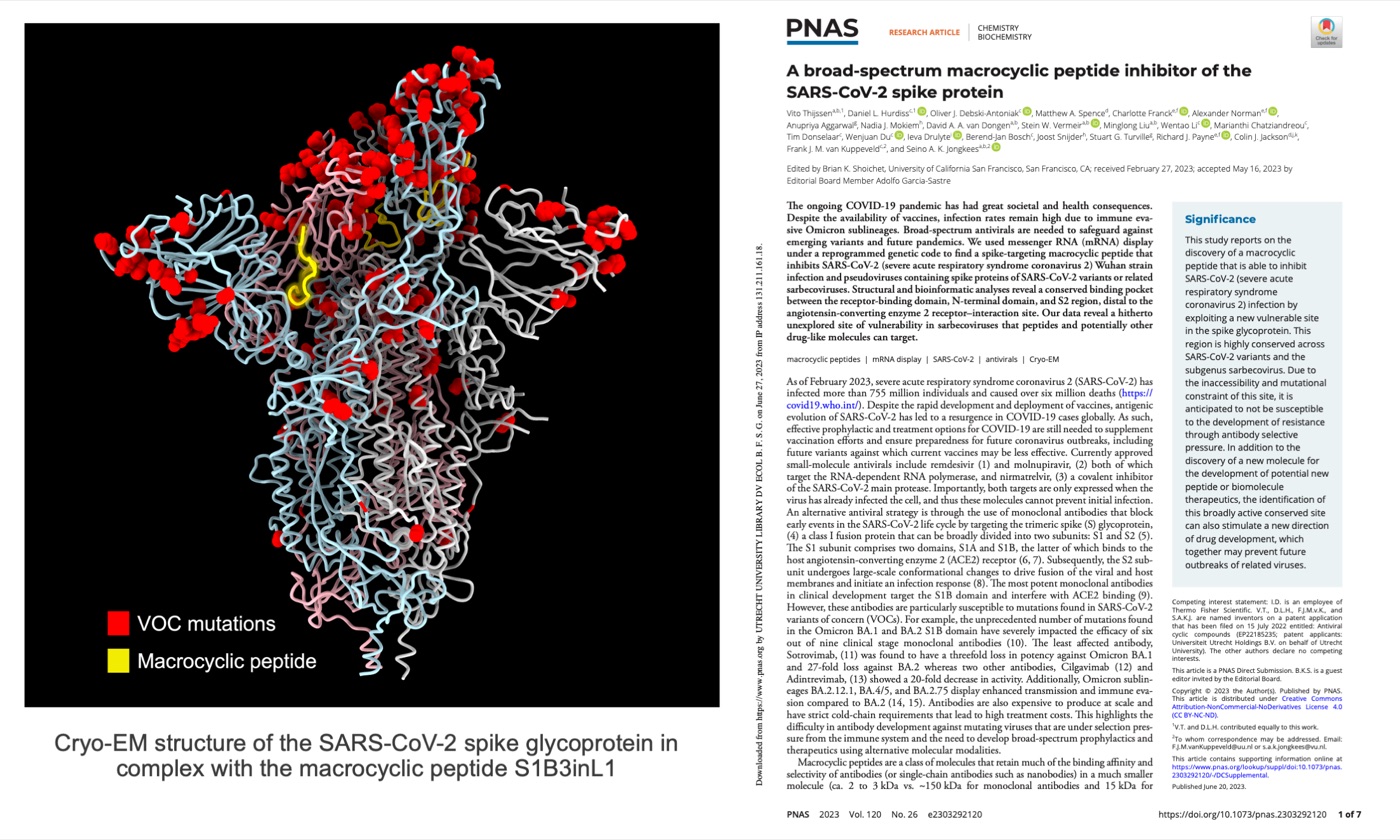
Cryo-EM structure of the SARS-CoV-2 spike glycoprotein in complex with the macrocyclic peptide S1B3inL1

Proceedings of the National Academy of Sciences of the United States of America · 2023

A broad-spectrum macrocyclic peptide inhibitor of the SARS-CoV-2 spike protein

Cryo-EM structure of the SARS-CoV-2 spike glycoprotein in complex with the macrocyclic peptide S1B3inL1

Funding

Our research is or has been funded through the following grants

EMBO Young Investigator Programme, Grant number (YIP-6255). Title of project: “Infection Mechanisms of Positive-Strand RNA Viruses”. Period: Four years.
NWO Vidi Grant, Title of project: “Unlocking the Secrets of Coronavirus Cell Entry”. Amount: €850,000. Period: Five years.
NWO ENW-XS Grant, Grant number (OCENW.XS24.4.209). Title of project: “Culturing the unculturable: developing a human norovirus cell culture model using engineered receptors”. This grant was devised and co-written with a post-doctoral researcher Dr. Robin Veenstra. Amount: €50,000. Period: One year.
Dutch National e-Infrastructure Grant, Grant number (EINF-12729). Title of project: “Computational Affinity Maturation of Broadly Neutralizing Antibodies Against Betacoronaviruses”. Computational resources awarded by SURF Cooperative: 250,000 system billing units and 1 terabyte of online storage. Period: One year.
ERC Starting Grant, Grant number (PicAAA; 101164550). Title of project: “Getting to grips with AAA+ ATPases encoded by positive-strand RNA viruses”. Amount: €1,550,000. Period: Five years.
PANVIPREP, funded under the call HORIZON-HLTH-2023-DISEASE-03-04 to identify small molecule antivirals (Grant agreement ID: 101137229). Co-PI together with Prof. Frank van Kuppeveld, amount for UU: €535,000. Period: four years.
NWO Veni Grant, Grant number (VI.Veni.212.102). Title of project: “Unraveling the functions of the enterovirus 2C protein using integrative structural biology”. Amount: €280,000. Period: Three years.
Dutch National e-Infrastructure Grant, Grant number (EINF-2453). Title of project: “Corona Accelerated R&D in Europe”. Computational resources awarded by SURF Cooperative: 706,000 system billing units, 50 terabytes of online storage and 50 terabytes of tape storage. Period: One year.
IMI CARE, Grant number (3.961.380). Title of project: “Corona Accelerated R&D in Europe”. The largest European research initiative addressing the challenges of COVID-19. Co-PI together with Prof. Frank van Kuppeveld and Dr. Berend Jan Bosch. Funded by the European commission and Innovative Medicines Initiative.
Marie Skłodowska-Curie Individual Fellowship, Grant number: (842333). Title of project: Structural and functional studies of enterovirus 2C proteins: promising targets for antiviral therapy. Amount: €175,572.48. Period: Two years.
EMBO Long-Term Fellowship, Grant number: (ALTF 1172-2018). Title of project: Structural and functional studies of enterovirus 2C proteins: promising targets for antiviral therapy. Amount: €75,000. Period: Two years. (Accepted on a non-stipendiary basis due to Marie Skłodowska-Curie Individual Fellowship).

Knowledge transfer

Impact beyond publications

Beyond publishing academic articles, we create impact through sharing data, launching innovations, engaging with communities, and supporting industry with applied knowledge.

Data Sharing and Open Science

We make our structural data openly available to the scientific community through depositions in the Protein Data Bank, the Electron Microscopy Data Bank, and EMPIAR.

Academic Spin-offs

In 2023, I co-founded VirXcel, a biotechnology company dedicated to developing innovative strategies to prevent and mitigate respiratory viral infections by leveraging the unique properties of macrocyclic peptides.

Patents

Title: Antiviral cyclic compounds (2023). Inventors: Vito Thijssen, Daniel L Hurdiss, Frank van Kuppeveld, Seino Jonkees

Title: Sars-cov-2 (sars2, covid-19) antibodies (2021). Inventors: Franklin Gerardus Grosveld, Dubravka Drabek, Rien Van Haperen, Berend Jan Bosch, Juliette Fedry, Daniel L Hurdiss, Thijs Kuiken, Batholomeus Leonardus Haagmans, Barry Hubertus Gerardus Rockx

Title: Antiviral cyclic peptides and multimers thereof (2025). Inventors: Daniel L Hurdiss, Frank van Kuppeveld, Twan Hopstaken, Seino Jonkees

Industry White Papers

I Drulyte, S Koester, D Lundberg, K Eng, A Malyutin, A McGrath, C Wang, FJM van Kuppeveld, BJ Bosch, M Radjainia, J Thomas, M Magnay & DL Hurdiss. High-throughput cryo-EM epitope mapping of SARS-CoV-2 spike protein antibodies using EPU Multigrid. (February 2022)